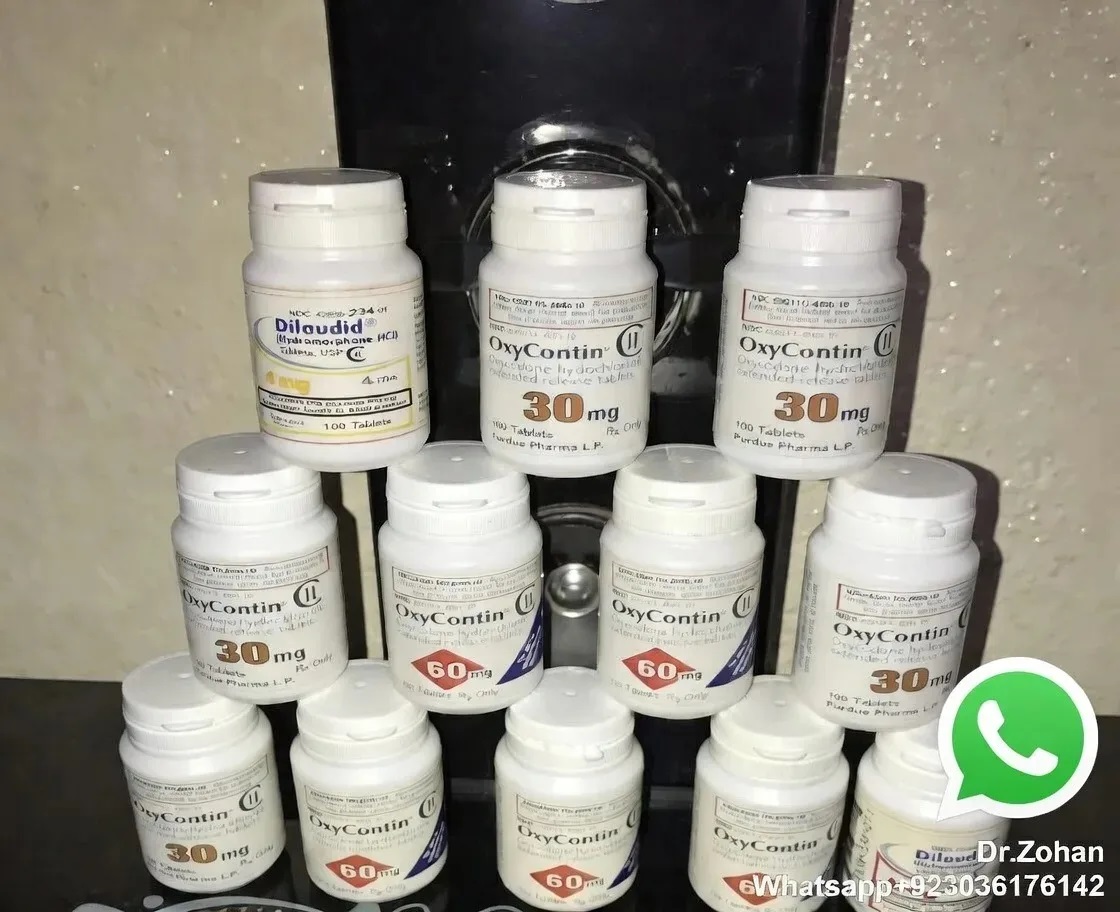
OxyContin 30 mg is a high-dose, extended-release formulation of oxycodone hydrochloride, a potent Schedule II prescription opioid. This medication is indicated solely for the management of severe, chronic pain requiring continuous, long-term opioid treatment when alternative options are inadequate. Due to its potency, this strength carries significant medical risks.
Clinical Risks and Safety Parameters
• Opioid Tolerance Requirement: High-dose formulations like the 80 mg strength are clinically restricted to patients who have developed a high level of tolerance to opioids through regular, long-term therapeutic use. Ingestion by individuals without established opioid tolerance poses a severe risk of acute toxicity.
• Administration Safety: Modifying the physical integrity of an extended-release tablet (such as crushing, chewing, or dissolving) disrupts the intended slow-release mechanism. This causes rapid absorption of the active ingredient, which can result in a critical overdose.
•
Substance Interactions: Concurrent use of opioids with alcohol, benzodiazepines, or other central nervous system depressants significantly increases the risk of severe respiratory depression and adverse outcomes.
Adverse Effects
• Respiratory Depression: The most critical risk is dose-dependent respiratory depression, which can diminish breathing to dangerous levels.
• Dependence and Addiction: As a Schedule II controlled substance, oxycodone has a high potential for physical dependence, tolerance development, and substance use disorder.
• Systemic Side Effects: Common adverse reactions include severe constipation, sedation, dizziness, nausea, and vomiting.
Emergency Response
In cases of suspected opioid overdose—characterized by symptoms such as severe respiratory depression, pinpoint pupils, unresponsiveness, or cyanosis—immediate medical attention is required. The administration of naloxone is a standard emergency countermeasure alongside contacting emergency medical services.